Why cut matters most
Cut refers to how well a diamond has been shaped and polished, not to its outline (that's the shape). It controls how light enters the stone, bounces between facets, and returns to your eye. A well-cut diamond looks bright, lively, and full of sparkle.
When a diamond is cut too shallow, light leaks out of the bottom. Too deep, and it escapes through the sides. Either way, you lose brilliance. Of the four Cs (cut, colour, clarity, carat), cut has the greatest influence on how a diamond actually looks.
For a more detailed look at how cut is assessed, see IGI's diamond cut resource page.
Cut grades explained
The International Gemological Institute (IGI) grades cut on a scale from Ideal to Poor. The grade reflects proportions, symmetry, and polish, all of which affect how well the diamond returns light.
At the top end, Ideal and Excellent cuts produce strong brilliance and fire. As the grade drops, more light escapes the stone and sparkle diminishes. Here is what each grade means in practice.
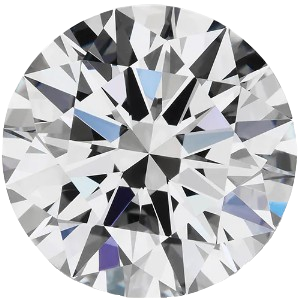
Ideal
The highest cut grade, an Ideal cut maximizes brilliance and fire with perfect proportions. These diamonds are bright and exceptionally full of sparkle.
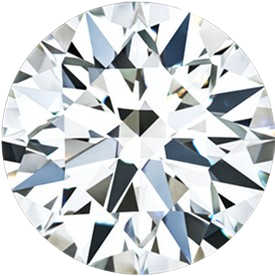
Excellent
A near-perfect cut that reflects almost all light, offering superb brilliance. The difference from Ideal is minimal, making this a highly recommended choice.
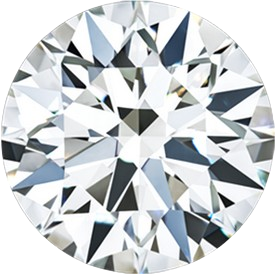
Very Good
A high-quality cut that returns most light, with slightly less brilliance than Excellent. A beautiful choice, with only minor light loss through the sides.
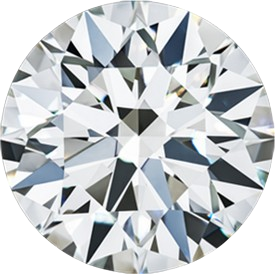
Good
A well-cut diamond that reflects most light, though some brilliance is lost through the base and sides, resulting in reduced sparkle compared to higher grades.
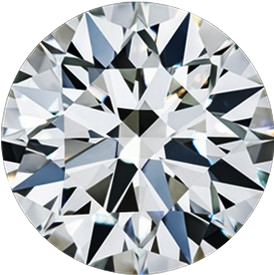
Fair
This cut allows a significant amount of light to escape, resulting in noticeably less brilliance and sparkle than higher cuts.
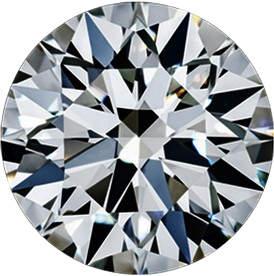
Poor
A Poor cut allows most light to escape. These diamonds are not recommended for their lack of brilliance and sparkle.